 Get in touch
RETINA & VITREOUS
SPECIALIST TREATMENT FOR BLURRY
SPOTS & WAVY LINES
Blurry spots, floaters, or wavy lines in your vision can be early signs of retinal conditions such as Age-Related Macular Degeneration (AMD), macular pucker, or retinal detachment. They are easy to dismiss as tiredness or strain, but your eyes are trying to tell you something.
A sudden increase in floaters, flashes of light, or a shadow across your vision needs urgent evaluation, since retinal detachment requires immediate treatment to protect your sight. Don't wait, if you're experiencing any of these symptoms right now, seek immediate attention from an eye specialist.
Amanat Eye Hospital's Retina and Vitreous Center offers specialised diagnostics and treatment options to help protect your central vision, with many conditions responding well when caught early.





What Is Retina Care?
The retina is a thin layer of light-sensitive tissue lining the back of your eye. It captures images and sends them to your brain via the optic nerve. Without a healthy retina, clear vision is impossible.
Retinal conditions — including diabetic retinopathy, age-related macular degeneration (AMD), retinal detachment, and retinal vein occlusion — can develop silently and cause irreversible vision loss if not caught and treated early.
Left untreated, retinal conditions can progress to:
- Blurred or distorted central vision
- Sudden onset of floaters or flashing lights
- Progressive peripheral vision loss
- Complete and permanent loss of sight
At Amanat Eye Hospital, retinal assessment begins with a thorough examination using state-of-the-art imaging technology. Our specialists identify the exact nature and extent of retinal damage before designing an individualised treatment plan to preserve and protect your vision.
Why a Comprehensive Assessment Matters
Retinal diseases require precise imaging and testing to diagnose accurately and treat effectively.
Many retinal conditions share overlapping symptoms — floaters, blurring, or distortion — but have very different causes and treatments. A thorough retinal assessment identifies exactly what is happening at the back of your eye before any treatment begins.
At Amanat Eye Hospital, your retinal assessment includes:
- Dilated fundus examination
- Optical Coherence Tomography (OCT)
- Fundus fluorescein angiography (FFA)
- B-scan ultrasonography
- Electroretinography (ERG) where indicated
- Digital retinal photography
- Visual acuity and field testing
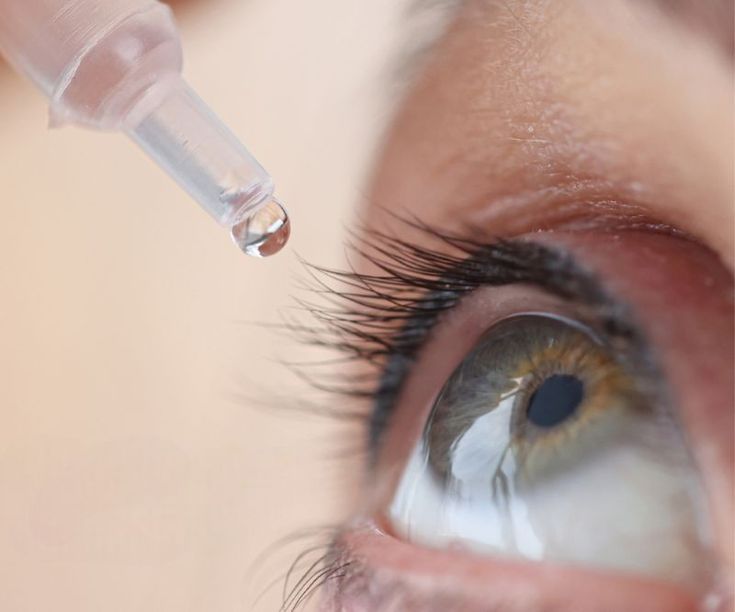
Every layer of this assessment helps our retinal specialists understand the extent of damage and design a treatment plan that gives your vision the best possible chance of preservation.
Retina Treatments
We Offer
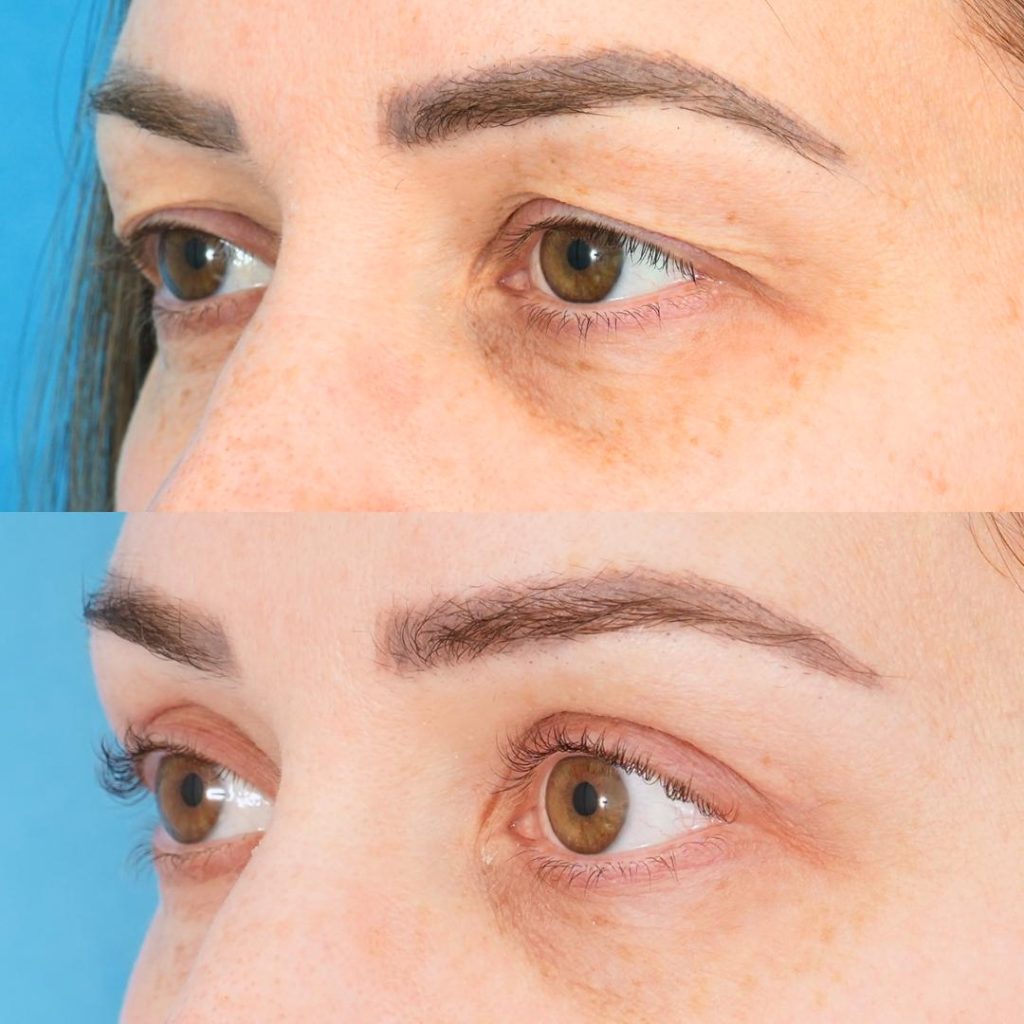
BLEPHAROPLASTY
Restoring The Sagging Skin For A More Youthful Look
Over time, the skin around your eyes can lose its elasticity, leading to sagging eyelids, under-eye bags, or a tired, aged appearance that doesn't reflect how you feel. Blepharoplasty is a surgical procedure that removes or repositions excess skin, muscle, and fat around the eyes to restore a more refreshed, youthful look.
We begin by carefully assessing your eyelid position, skin elasticity, and muscle support to plan a procedure that enhances your natural appearance. Our surgeons perform upper eyelid, lower eyelid, or combined blepharoplasty, using Plexr Plus to precisely remove excess tissue.
In some cases, sagging eyelid skin can also interfere with your vision, particularly your peripheral or upper visual field. When this occurs, blepharoplasty is not just cosmetic. It can also be a vision-repairing procedure.
The result is a smoother, more alert appearance that complements your natural features and comfort.
BLEPHAROPLASTY
Restoring The Sagging Skin For A More Youthful Look
Over time, the skin around your eyes can lose its elasticity, leading to sagging eyelids, under-eye bags, or a tired, aged appearance that doesn't reflect how you feel. Blepharoplasty is a surgical procedure that removes or repositions excess skin, muscle, and fat around the eyes to restore a more refreshed, youthful look.
What to expect during your journey
Before Treatment
Your retinal assessment begins with a detailed consultation and a full set of diagnostic tests — including OCT imaging, dilated fundoscopy, and photography where needed. You will receive a clear explanation of your diagnosis, the risk to your vision, and every available treatment option before any plan is confirmed.
During Treatment
Depending on your condition, treatment may be as straightforward as an in-clinic laser session or an intravitreal injection, both of which take only a few minutes under topical anaesthesia. Surgical procedures are performed in a fully equipped theatre setting, with your comfort and safety managed at every step.
After Treatment
Retinal conditions often require ongoing monitoring even after successful treatment. Your specialist will arrange follow-up visits to track your response, repeat imaging as needed, and adjust your treatment plan to ensure the best long-term outcome for your vision.
Why Millions Trust
Amanat Eye Hospital
Specialist Vitreoretinal Surgeons
Our surgeons focus on retinal conditions, bringing years of dedicated surgical experience to even the most complex vitreoretinal cases.
State-of-the-Art Imaging
From OCT to fluorescein angiography, we use world-class diagnostic tools to see exactly what is happening inside your eye before any treatment begins.
Tailored Treatment for Every Patient
Every retinal condition is different. We build an individualised plan based on your diagnosis, stage of disease, and visual goals.
Long-Term Vision Protection
Retinal care does not end with treatment. We monitor your progress carefully over time to protect the vision you have.
Reviews!
Bilal Chaudhry
Software Developer
Age: 41
Procedure: Anti-VEGF Injection
Bilal noticed central blurring in his right eye during a routine screen break and dismissed it as eye strain. An urgent retinal assessment at Amanat Eye Hospital confirmed wet AMD with active fluid under the macula. A course of anti-VEGF injections stabilised the condition and preserved his remaining central vision before further damage could occur.
Nazia Perveen
Pharmacist
Age: 55
Procedure: Laser Photocoagulation
Nazia had been managing type 2 diabetes for over a decade and attended a routine retinal screening appointment. The examination revealed early diabetic retinopathy with areas at risk of progression. Laser photocoagulation treated the affected peripheral retina, significantly reducing the risk of haemorrhage and vision loss going forward.
Kamran Baig
Retired Police Officer
Age: 67
Procedure: Vitrectomy
Kamran woke one morning to find his vision in his left eye dramatically reduced, replaced by a dark shadow across most of his visual field. An emergency assessment confirmed a large retinal detachment. Vitrectomy surgery was performed the same day. With careful postoperative management, his retina reattached successfully and his central vision recovered.
Fareeha Siddiqui
Journalist
Age: 34
Procedure: Intravitreal Steroid Implant
Fareeha had been treated for diabetic macular oedema with multiple injections over two years with limited sustained response. Her retinal specialist recommended a slow-release intravitreal steroid implant. The implant provided months of stable pressure and resolution of the oedema, reducing her injection burden significantly.
FREQUENTLY ASKED QUESTIONS
Can retinal conditions be treated without surgery?
Many retinal conditions are managed non-surgically, using intravitreal injections or laser therapy. Surgery is reserved for more advanced cases such as retinal detachment, macular holes, or conditions that have not responded to other treatments.
Are intravitreal injections painful?
Most patients experience minimal discomfort. Topical anaesthetic drops are used before the procedure, and the injection itself takes only a few seconds. Some patients feel mild pressure or irritation afterward, which typically resolves within a day.
How many injections will I need?
This depends on your specific condition and how well you respond to treatment. Some patients require monthly injections initially, which may be spaced out as the condition stabilises. Your retinal specialist will establish a tailored treatment schedule based on your imaging results.
Can vision lost to retinal disease be recovered?
In some cases, particularly when treatment begins early, partial or significant visual recovery is possible. However, retinal damage from conditions like AMD or advanced diabetic retinopathy may be permanent. The primary goal of treatment is to prevent further loss and preserve the vision that remains.
What are the warning signs of a retinal detachment?
A sudden increase in floaters, flashing lights, or a shadow or curtain across any part of your vision are urgent warning signs that require immediate assessment. Retinal detachment is a medical emergency and delays in treatment worsen the prognosis.
Does diabetes always lead to retinal problems?
Not always, but diabetic retinopathy is a common complication of long-term diabetes, especially when blood sugar control is poor. Regular retinal screening is essential for all diabetic patients, even if they have no visual symptoms, as early-stage changes are treatable before they affect vision.
How long does recovery take after vitrectomy?
Recovery from vitrectomy varies depending on the reason for surgery and whether a gas bubble or silicone oil was used. Most patients notice gradual visual improvement over several weeks. Specific activity restrictions — including head positioning if a gas bubble is used — will be explained by your surgeon.

Mission
To ensure no one in Pakistan has to live with preventable vision loss. We combine advanced technology, expert medical care, and patient-first treatment, delivered closer to home through our growing hospital network.
Vision
To redefine the future of eye care in Pakistan, making Amanat Eye Hospital the benchmark for advanced eye innovation, scientific research, and clear results that give patients their independence.